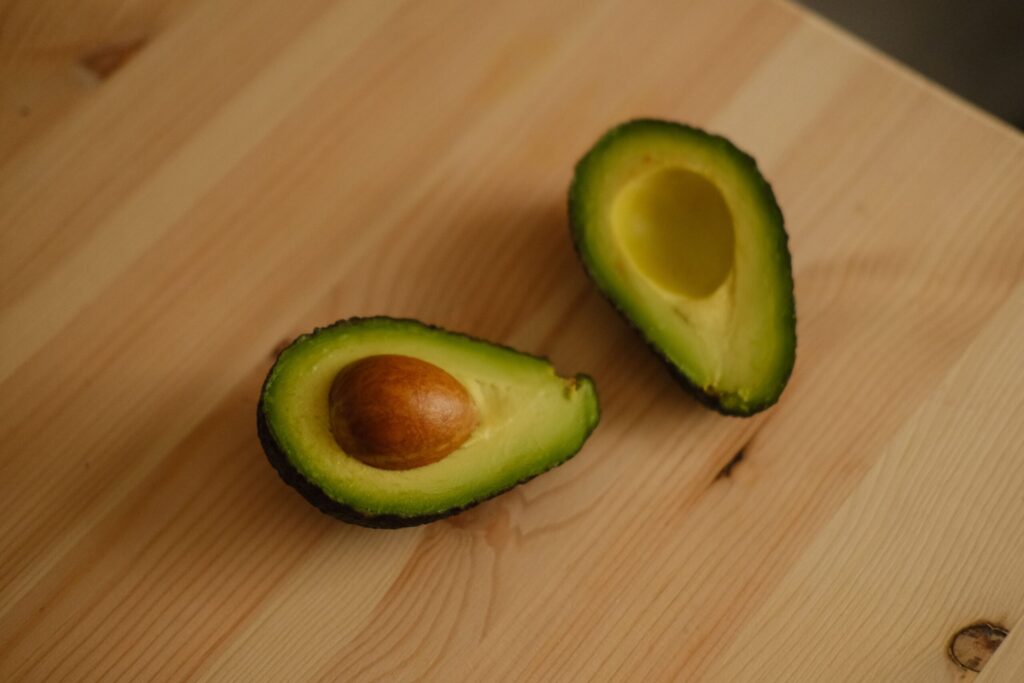

Fat is an important component of the body. Everyone needs a minimum amount of fat to ensure that the body’s functions operate properly. This is because fat is life-preserving. It is like a reserve of money kept aside for emergencies. But it is your friend only as long as it remains within limits. Once it exceeds those limits, it becomes a formidable enemy.
We live in an age when people are more obsessed with finding ways to reduce the fat stored in their bodies (body weight) than with finding ways to fill an empty stomach. According to studies, by 2030, 50% of the global population will be obese. Most people will suffer from diabetes and heart disease. Even people who are not poor are suffering from severe nutritional deficiencies. Their problem is not a lack of food. It is the starch, sugar, salt, fat and dangerous chemicals contained in the various fashionable food items they consume in the name of ‘food’.
When we do not eat, the body makes use of the fat already stored in it. However, if the same practice of not eating properly continues for a prolonged period, the body’s internal system interprets it as a period of food scarcity. It then increases fat storage, thinking, ‘Let this fat remain as protection storage for the body.’ At the same time, it reduces the burning of fat that has already been stored. As a result, fat accumulates even in such people’s bodies, making them appear overweight!
When the body switches to storing fat, it does not use the stored fat. Instead, it locks it away inside the cells, like money secured in a bank vault. The body then burns muscle instead of fat to meet its everyday energy requirements.
Even people who proudly declare, ‘I never put on weight, no matter what I eat,’ may have excessive fat in their bodies. This is called ‘visceral fat’ (internal fat). Unlike fat stored beneath the skin, it accumulates deep inside the body.
Generally, people whose fat is stored beneath the skin appear overweight from the outside. When people see them, they say, ‘They have become obese.’ But one cannot be certain that people who look slim have no fat accumulation. They may not have fat stored beneath their skin, but fat may have accumulated deep inside their bodies, where it cannot be seen. This can be properly identified through an MRI scan. In many people, considerable amounts of visceral fat accumulate around the heart, liver or pancreas.
There are two types of fat: saturated and unsaturated. Unsaturated fat is further divided into two types: monounsaturated and polyunsaturated. There is also another type of fat that is particularly dangerous. It has undergone a process called ‘hydrogenation’. This type of fat is known as ‘trans fat’.
Trans fats are commonly found in processed, ready-made foods available in the market, such as biscuits, ketchup, chips, French rolls, cakes and hot dogs. Many companies and food manufacturers use them because they are inexpensive and help preserve food for longer periods.
However, trans fat is extremely dangerous. It drastically increases the level of bad cholesterol (LDL—the harmful fatty substance that accumulates in blood vessels) in the blood. This can lead to blockages in the blood vessels of the heart and brain.
Insulin is called the ‘fat-storing hormone’. Since it also promotes fat production, it could even be called the ‘father of fat’. It is particularly responsible for fat accumulation around the abdomen. People whose bodies produce more insulin than necessary tend to have protruding bellies. Their bellies may look relatively normal in the morning, but as the day progresses, the abdominal swelling appears to increase.
When insulin levels rise, other hormones responsible for burning fat stop functioning. This is why people end up saying, ‘Even though I exercise, it makes no difference.’ A ‘big belly’ is a common indication that insulin levels in the body are increasing. There are several reasons why insulin levels rise.
Carbohydrates are of two types: simple and complex. Simple carbohydrates are essentially sugars. In other words, they contain abundant amounts of sugar. Examples include refined wheat flour (maida) and polished white rice. When these foods are consumed, blood sugar levels rise immediately. To counter this rise, the body releases more insulin!
The food you eat should supply glucose to your bloodstream gradually and slowly. From this perspective, you should consume foods containing complex carbohydrates. Examples include unpolished ‘brown’ rice, ragi that has not been chemically processed, millets, small millets and other whole grains.
According to experts, another reason for increased insulin levels is MSG, or monosodium glutamate. It is also known as ‘Ajinomoto’. It is an amino-acid-based chemical that makes food appear to have enhanced taste and aroma. Nowadays, it is almost impossible to find a hotel or restaurant that does not use Ajinomoto. Whether you buy food from the North, South, East or West—chutney, sambar, rasam, gojju and so on—it contains Ajinomoto. These days, catering contractors also use it generously in food prepared for weddings and other functions. In addition to its many harmful effects, it has reportedly been found that Ajinomoto increases the body’s insulin levels by as much as 200%. Another major cause of increased insulin levels is stress.
When excessive fat accumulates inside the cells, it prevents insulin from entering the cells, even when insulin is released in abundance. This condition is called ‘insulin resistance’. As a result, insulin is unable to reduce the excess sugar present in the blood. The consequence is diabetes.
According to nature’s design, every mammal produces milk solely to feed its own young. The milk of one species of mammal is not entirely compatible with the body of another species; there is no natural rule that says it must be compatible.
Just as a human mother’s milk (or the milk of any human woman) is suited to a human baby’s body, the milk of no other animal is equally suited to it. Nature has provided human infants with the opportunity to drink milk for approximately five years. After that, the enzyme required to digest milk gradually declines. In other words, even human women’s milk is no longer fully suited to a human child after the age of five. Then how can the milk of another animal be considered ideal?
Our bodies do not completely accept milk containing the different protein structure of another animal. This may adversely affect health. Lactose intolerance (milk allergy) may develop. Research suggests that dairy products rich in cholesterol increase the risk of diabetes and heart disease. Animal-derived proteins may lead to problems such as cancer. According to independent research, free from the influence of lobbies and without financial support from commercial enterprises, all kinds of animal-based proteins (meat, eggs, milk, etc.) are unsuitable for human health.
In the long past, heart problems among vegetarians were generally caused by a combination of four factors: a lifestyle without exercise or adequate sleep, mental stress, bad habits and heredity—not by diet. Those were relatively better times, when supermarkets did not engage in the widespread sale of alcohol and meat. Times were even better when there was no smoking. And the days when restaurants did not exist were wonderful. Times have changed now. Even vegetarians are developing all kinds of diseases because of excessive consumption of fat and chemicals.
According to world-renowned food scientist Dr. T. Colin Campbell, animal protein, just like animal fat, also contributes to increased cholesterol levels. However, science has established that consuming oils, transfat and similar products simply because they are labelled ‘plant-based’ is equally dangerous.
According to experts a high-fat diet damages the arterial endothelium (the thin protective lining inside blood vessels). It causes obesity, diabetes, heart attacks and strokes.”
Their recommendation is a diet consisting of:
- A higher proportion of vegetables and fruits.
- Less salt.
- Almost no sugar.
- Whole grains (unpolished) and legumes.
- Foods containing omega-3 fatty acids, such as flaxseeds.
World-renowned medical scientist Dr. Caldwell Esselstyn does not even approve of olive oil. According to him, a whole-food, plant-based diet without added oil (‘No Oil’) is the proper dietary approach.

For the past 40 years, Dr. Caldwell Esselstyn, Jr of Cleveland, USA, and Dr. Dean Ornish of Sausalito, near San Francisco, USA, have independently demonstrated through practical results that blockages in the cardiovascular system can be reversed through dietary changes and lifestyle modifications. They have treated hundreds of patients, including people whom hospitals had given up on as ‘hopeless’ cases. Their studies on diet and their successful experiments are truly extraordinary.
Research into their ‘Zero Oil’ diet has been going on for the past 50 years. Their recommendation is a strict whole-food, plant-based diet that excludes all dairy products and the use of oil. Eating only whole foods such as vegetables, fruits, green leafy vegetables rich in nitric oxide, pulses and similar foods, together with a ‘Zero Oil’ diet—a diet completely free of added oil—is the solution they recommend.
This diet is intended both as a remedy for those who are already ill and as a preventive measure to protect healthy people from developing diseases.
‘Zero Oil’ does not mean a ‘Zero Fat’ diet. A diet completely devoid of fat is impossible. Even grains contain some amount of fat. The natural fat present in whole foods, in the quantities provided by nature, is sufficient for everyone and is harmless. There is no need to add external extracted sources of fat, such as oil or butter, to our food. Dr. Esselstyn maintains that even olive oil is harmful. According to him, the right dietary approach is a whole-food, plant-based diet with no added oil whatsoever.